Liberty riding means riding your horse with minimal or no tack: often just a neck rope, or nothing at all. It's the natural next chapter of liberty groundwork, and it's one of the most freeing feelings you can share with a horse.
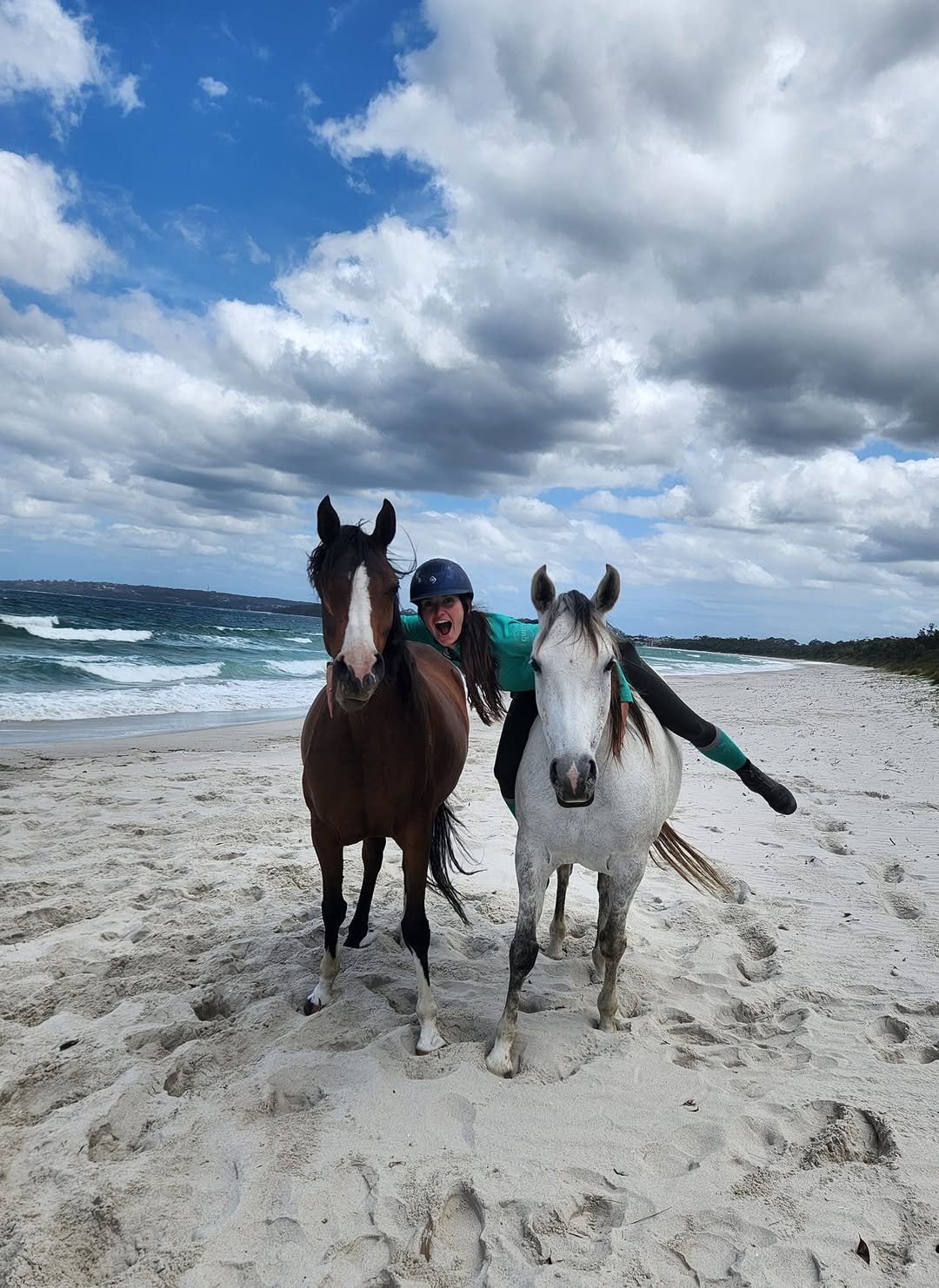
Our mares Rahni and Tiamat are ridden bridleless on bush tracks, down country roads, in the arena and even over jumps, bareback. Here's how we got there, what we've learned, and how to approach liberty riding safely in Australia.
What is liberty riding?
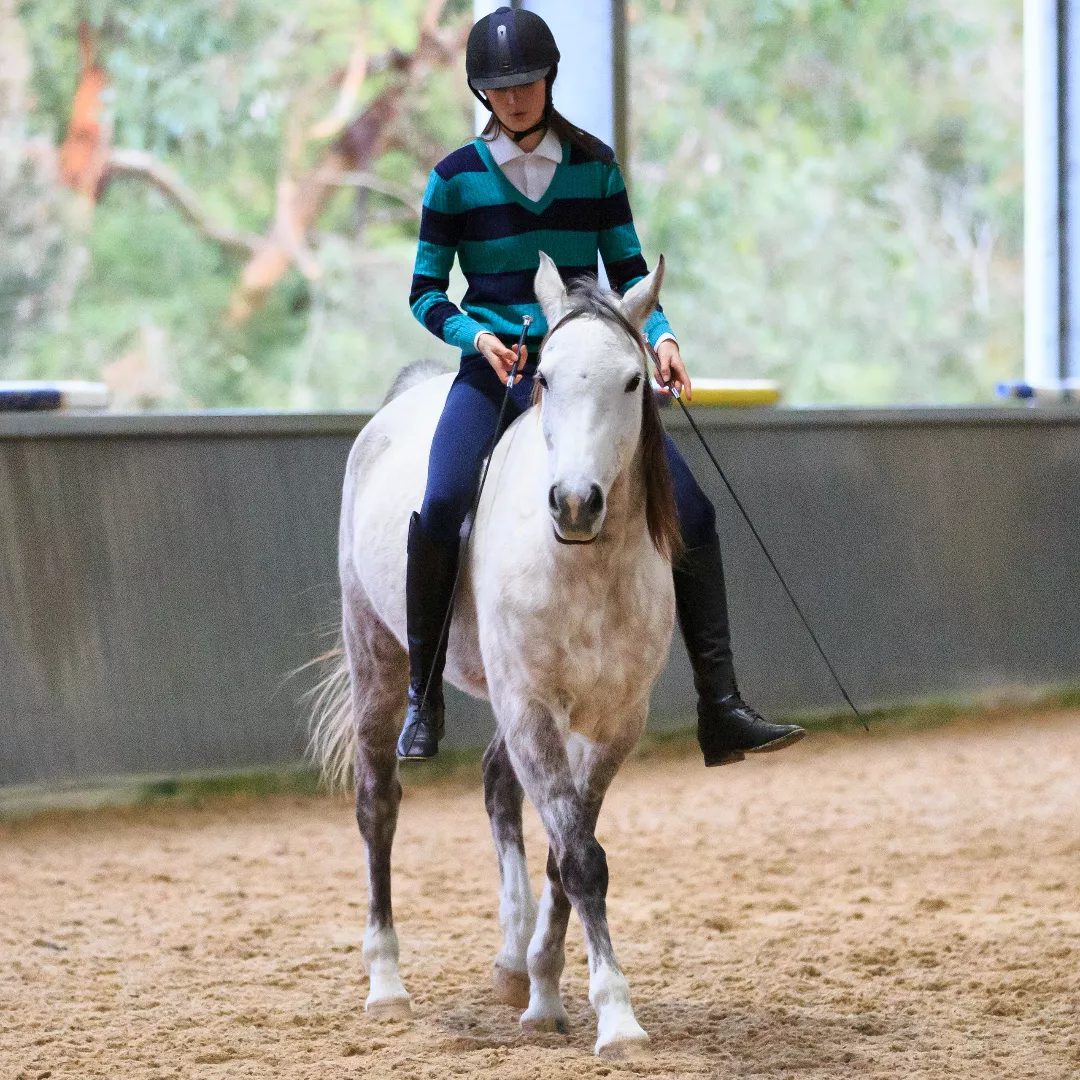
Liberty riding (also called bridleless riding) is riding without a bit or bridle. Steering, speed and stopping come from your seat, legs, weight, breath and, in the early stages, a neck rope or cordeo. Some riders go bitless first (using a bitless bridle or rope halter) as a stepping stone; others ride bareback to feel the horse's movement more clearly.
The foundations we built first
We didn't just take the bridle off one day. Liberty riding stands on everything we'd already built on the ground:
- Reliable liberty groundwork: walk, halt, back-up, turns and recall, all without a rope. (See our beginner's guide to liberty horse training.)
- Seat and leg cues with the bridle still on: we practised steering and stopping from the body while the reins stayed loose, as a safety net.
- A neck rope: a simple rope around the base of the neck gives a clear, gentle signal for turning and stopping.
- A confident horse: a worried horse needs a bridle. A confident one can carry you anywhere with nothing at all.
Step by step: going bridleless
1. Start in an enclosed arena
Your first bridleless rides should be at the walk in a familiar, fenced space with good footing.
2. Prove your brakes
Before anything else, make sure your horse stops from your seat and breath every single time. No reliable stop, no bridleless riding.
3. Add steering, then speed
Big, simple turns first. Trot only when walk feels effortless; canter only when trot does.
4. Take it out into the world
Once your arena work is solid, try quiet trails with a bridled riding buddy. Some of our happiest moments have been "casual bridleless bush explores" with Rahni and dancing our way down a quiet country street.
5. Have fun with it
Jumping bareback and bridleless was a huge milestone for us, as jumping had always been something we were working on. Celebrate the small wins!
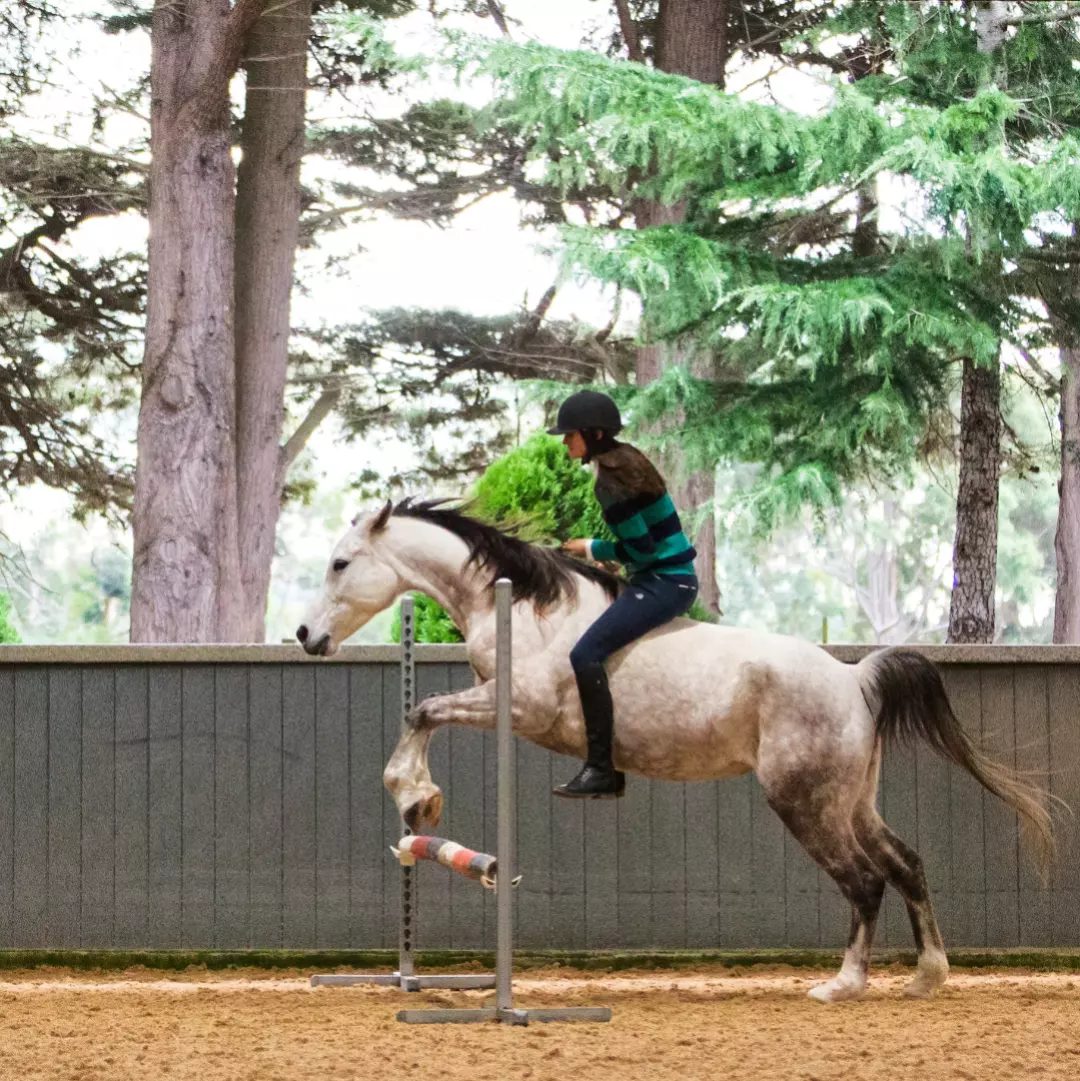
Safety first
- Always wear a properly fitted, approved helmet.
- Know your horse's limits, and yours. Bridleless riding is a privilege your horse gives you, not a test.
- Avoid busy roads, unfamiliar horses and crowded places until your horse is truly rock solid.
- Check the rules before riding on beaches, in state forests or national parks. Access for horses varies across Australian states and local councils.
- If in doubt, put the bridle back on. There's no shame in a safety net.
Where to enjoy liberty riding in Australia
Australia is made for this kind of riding: wide bush tracks, quiet back roads and, in some places, horse-friendly beaches. We've loved romping around the Victorian bush and now explore the NSW South Coast near Nowra. Look for local horse-riding clubs, trail-riding groups and council information to find permitted riding areas near you.
Frequently asked questions
What is liberty riding?
Liberty riding is riding a horse with minimal or no tack, typically without a bit or bridle, using seat, legs, weight and sometimes a neck rope to communicate.
Is bridleless riding safe?
It can be done safely once a horse has reliable groundwork, stops consistently from the rider's seat, and has been gradually introduced to bridleless work in an enclosed area. Always wear a helmet.
What is a neck rope used for?
A neck rope sits around the base of the horse's neck and gives a light cue for turning and stopping. It's a common stepping stone between bridled and fully bridleless riding.
Can you ride horses on beaches in NSW?
Some NSW beaches allow horses, often with time or seasonal restrictions, while many do not. Always check with the local council before riding.